
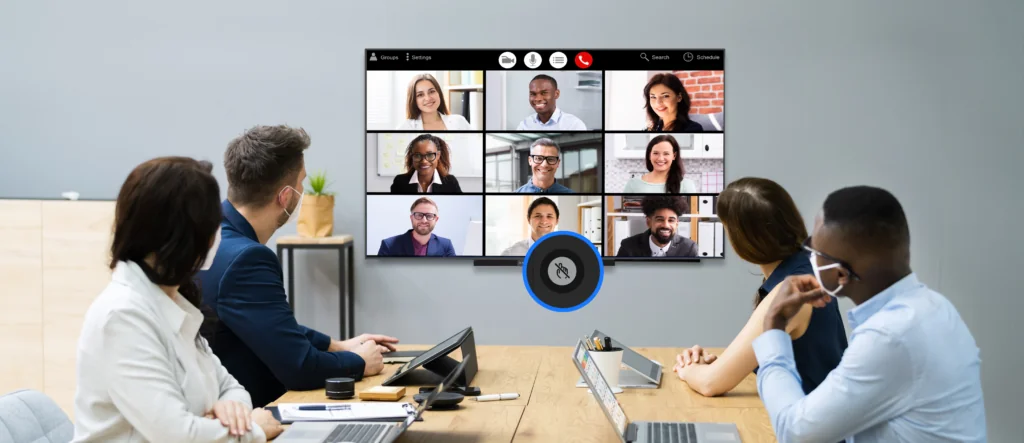
Purchase price rarely represents the full financial picture of workplace display technology. Conference room smart boards can involve installation, training, software, maintenance, and eventual replacement costs that deserve attention before procurement. Ledman’s interactive solutions include an instant touch-lock function designed to prevent accidental touches, offering an example of how practical features can influence daily meeting workflows.
Map the Initial Investment
Hardware is only the starting point. Budget planning should account for mounting equipment, cabling, network integration, installation labor, and room preparation. Organizations comparing an interactive flat panel should also check whether required accessories and service provisions are included in the quoted price.
Calculate Five-Year Operating Costs
Software subscriptions, firmware support, staff training, repairs, and replacement components can accumulate over several years. A useful TCO model separates fixed expenses from recurring charges, making it easier to compare different purchasing proposals. Maintenance frequency and expected service coverage should also be documented before selecting conference room smart boards.
Plan for Technology Refresh
Technology refresh should form part of the original financial model rather than an unexpected future expense. Organizations can estimate potential replacement timing, disposal costs, retraining requirements, and migration work. Features such as touch control may also affect usability expectations as meeting workflows evolve around an interactive flat panel.
Conclusion
Five-year ownership costs become clearer when every expense category is mapped before purchase. Hardware, installation, software, training, maintenance, and future refreshes can then be evaluated as one financial picture. Ledman’s practical touch-lock functionality illustrates how operational features may also contribute to long-term usability when assessing conference room smart boards.

