
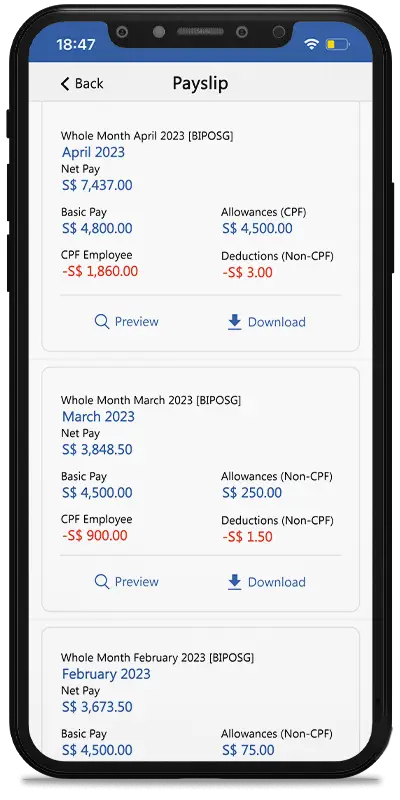
Modern organizations face significant pressure to improve administrative efficiency while maintaining high levels of employee engagement. Many HR departments find themselves overwhelmed by repetitive inquiries regarding leave balances, payroll slips, or personal information updates. Implementing a mobile HR app provides a practical way to centralize information, allowing employees to manage their own records without constant administrative intervention. This shift toward self-sufficiency helps streamline internal operations and focuses human resources staff on strategic initiatives rather than transactional tasks.
BIPO is a global payroll and people solutions provider that helps companies automate their HR processes through innovative technology. By delivering a comprehensive mobile HR app, they enable personnel to access their data securely from anywhere. HR managers and directors interested in reducing administrative burdens and enhancing the employee experience should contact the BIPO team to learn how these tools can be integrated into their existing infrastructure. Providing employees with direct access to their data is a fundamental step toward building a more responsive and organized workplace.
Enhancing Accessibility with Technology
Digital tools have changed how staff interact with organizational systems. When an mobile HR app is available, employees can quickly check their leave status or download documents without emailing HR. This immediate access prevents the accumulation of low-value requests that often delay critical HR functions. Data suggests that these platforms can reduce incoming queries, a substantial improvement for teams managing large or distributed workforces. By lowering these barriers to information, firms ensure that personnel remain informed and satisfied with their internal support systems.
Improving Response Times and Accuracy
Manual handling of records often introduces the possibility of human error and processing delays. When staff update their own data, the burden on administrators decreases, and the accuracy of records tends to improve. A digital interface ensures that changes are reflected in real-time, providing both management and employees with a single source of truth. As they move away from paper-based or email-heavy workflows, departments save significant time. This efficiency is critical for maintaining professional standards and ensuring that payroll or leave management cycles are completed smoothly each period.
Supporting a Distributed Workforce
Work environments are increasingly flexible, requiring tools that operate beyond the traditional office setting. A portal that functions on mobile devices ensures that everyone has the same level of access, regardless of their location. For international or remote teams, this consistency is vital for maintaining productivity and cohesion. By providing a reliable platform, organizations show that they value their employees’ time and autonomy. As these systems become standard, they support a culture of transparency and self-service that aligns well with the needs of contemporary corporate environments.
In conclusion, adopting digital self-service solutions significantly alters how HR departments manage their daily responsibilities. By reducing routine inquiries and empowering staff through accessible technology, organizations create a more efficient and responsive environment. A deliberate approach to technology adoption ensures that both HR teams and employees benefit from improved clarity and operational speed.

