
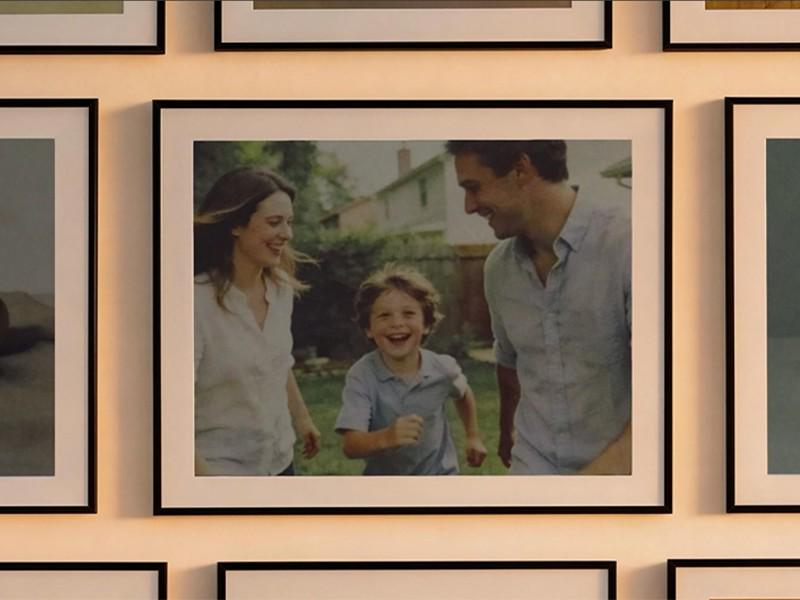
Museums need display methods that respect visual detail, visitor comfort, and curatorial control. Traditional printed reproductions are stable but difficult to change, while conventional digital screens can feel too bright for some exhibit spaces. An eink photo frame is not a replacement for original artworks.
It is better understood as a reusable presentation device for digital reproductions, educational visuals, exhibit extensions, and controlled image displays. The museum context also places value on quiet presentation. A digital object in a gallery should support interpretation without distracting from nearby original works, printed labels, or the room atmosphere.
This can make image changes less disruptive than the typical flashing associated with some e-paper updates. An eink photo frame can be useful for curated sets of digital images. A museum might rotate archive photographs, design sketches, restoration references, or related visual material without reprinting panels for each exhibit update.
The six-color approach is especially relevant for reproductions and educational material. It allows curators to show more visual nuance than monochrome e-paper while keeping the display focused on still imagery. Museums can also use this format for interpretive layers that are not permanent. A display may show a restoration image during one exhibit cycle and a historical reference image during another.
Quiet Digital Interpretation for Galleries
Museums often keep displays active for long hours. E-paper image retention is useful because the picture remains visible without needing constant display power after each update. A reflective display also changes the visitor experience. It does not emit light like a conventional panel, so it can be easier to place near printed materials or in calm gallery lighting.
The final effect still depends on local lighting and image preparation. An eink photo frame should be used for content that suits e-paper behavior. Static images, exhibit notes, and slow-changing visual sequences are appropriate, while high-motion media should remain on other display types.
A frame may be tested in one location, moved to another, or used in a small display area without redesigning the entire electrical setup. Remote updates are useful when curators need to refresh a set of supporting images without physically handling every frame. This can help small exhibition teams manage changing content more efficiently while keeping the visual presentation consistent.
A frame may sit near an object case, hang beside a printed label, or appear in a digital interpretation corner. The 10.1-inch size gives enough room for detailed images while staying compact. For museum use, an eink photo frame should be selected with the exhibit narrative in mind. A Spectra 6 e-ink photo frame can support this approach by presenting detailed artwork without adding the glare or visual movement of a conventional.
Curation, Placement, and Visitor Experience
Remote management should be paired with curatorial review. Even when images are easy to upload, museums still need to confirm accuracy, color suitability, and the relationship between the frame and the object nearby. A frame near a crowded pathway needs simple imagery, while a quieter corner can support more detailed visual material that rewards longer viewing.
E-paper picture frames can support museums when content needs to be updateable, readable, and visually restrained. Museum use depends on curatorial pacing, stable image display, and careful placement within the visitor’s viewing path. This makes the frame especially suitable for exhibition settings where slow viewing, image stability, and flexible placement matter more than constant motion.
Curatorial planning should cover more than image selection. Staff need to decide where the frame sits, how close visitors can approach, whether a caption is required, and how the display relates to original objects nearby. Accessibility also matters: important information should not rely on color alone, text must remain large enough to read, and an alternative description may be needed.
A documented approval and update routine prevents an easy-to-change display from weakening the exhibit’s narrative or visual consistency. Visitor observation during a pilot can show whether the frame attracts attention at the intended pace and supports, rather than competes with, nearby objects.
Soft-Tone E-Paper Frames Tailored for Quiet Cultural Exhibition Environments
Six-color e-ink digital photo frames present delicate art reproductions with soft reflective visuals that fit quiet gallery exhibition atmospheres. Deeply cooperating with cultural and museum industries, SEEKINK optimizes Spectra 6 color restoration and remote content management functions for display frames. They designs low-interference art presentation hardware that coordinates with exhibition space aesthetics, offering digital display alternatives for cultural institutions around the world.

