
Determining the precise number of visits needed to achieve optimal skin uniformity involves analyzing optical depth penetration, chromophore density, and local tissue turnover rates. Performing a professional pigmentation removal treatment allows clinicians to target excessive melanin deposits at different cutaneous depths while managing energy delivery to surrounding tissue. Engineering innovations from developers such as ENZOEYS provide practices with versatile broad-spectrum and pulsed light configurations, helping operators tailor treatment protocols to individual patient profiles.
Photothermal Mechanisms in Melanin Breakdown
Broad-spectrum light absorption converts photon energy into localized heat within targeted melanosomes, fracturing pigment clusters into microscopic fragments. Natural cellular processes subsequently contribute to the clearance of treated pigment over time.
Controlling thermal energy delivery helps manage heat exposure to surrounding epidermal structures during treatment. Matching pulse parameters to specific pigment depths supports consistent clearance progress across successive treatment sessions.
BroadBand Light Dynamics and Collagen Stimulation
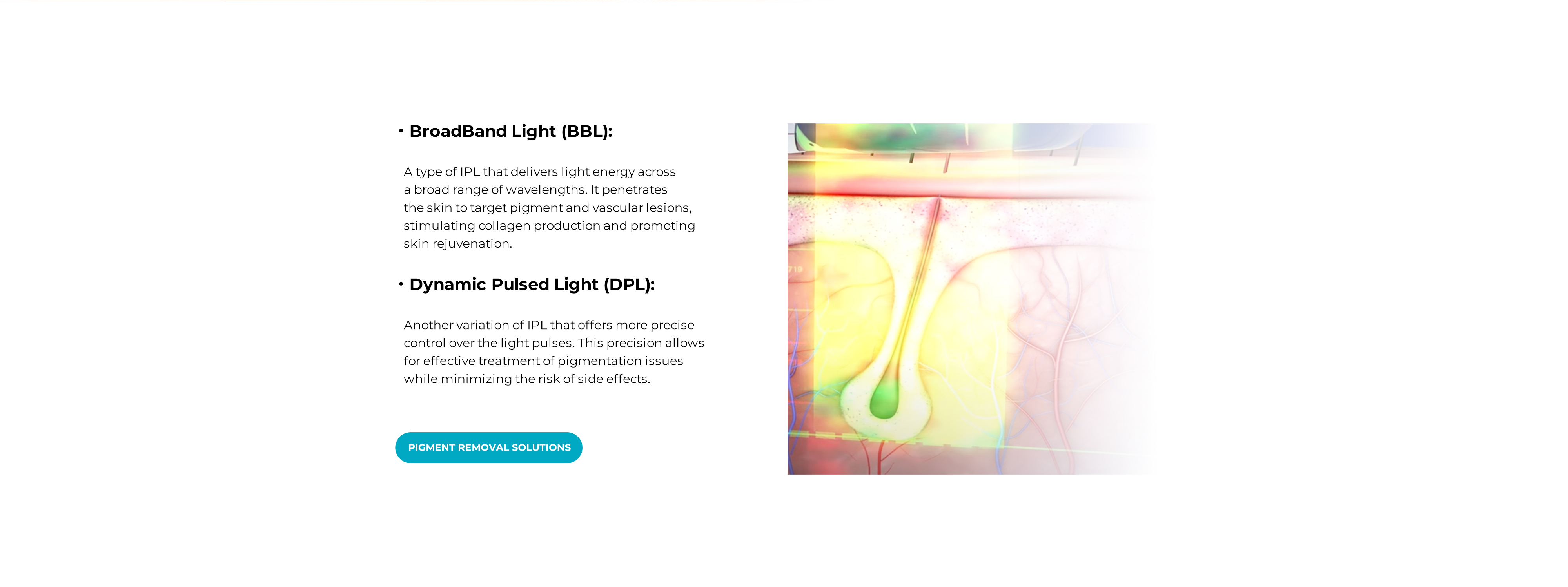
BroadBand Light (BBL) represents a specialized variation of IPL technology that delivers light energy across a broad spectrum of wavelengths. Energy penetrates the dermal layers to target pigment and vascular lesions while simultaneously stimulating structural collagen production.
Promoting collagen synthesis alongside pigment breakdown enhances overall skin texture and tone during recovery phases. Deploying advanced systems like the MULA K2 BroadBand Light unit allows practices to address superficial solar damage and deeper cutaneous photoaging within unified treatment protocols.
Dynamic Pulsed Light Precision and Safety
Dynamic Pulsed Light (DPL) uses narrower spectral bands within a pulsed-light approach, allowing treatment parameters to be adapted to specific applications. Narrower spectral bandwidths allow technicians to isolate specific chromophore absorption peaks with higher accuracy.
Enhanced pulse control allows for effective treatment of stubborn pigmentation issues while minimizing the risk of side effects on adjacent skin. Utilizing an advanced pigmentation removal laser treatment platform with customizable pulse trains ensures uniform energy distribution across delicate facial zones.
This spectral precision is particularly advantageous when treating mixed pigmentation types—such as superficial lentigines coexisting with deeper dermal melanosis—as it allows clinicians to tailor pulse shape and wavelength to each lesion layer without resorting to broad-spectrum energy that might heat surrounding tissue unnecessarily. By delivering energy that matches the absorption profile of the target chromophore while sparing competing absorbers like oxyhemoglobin, DPL technology expands treatment options for patients who previously faced limited choices or higher side-effect risks.
Depth of Pigmentation and Treatment Trajectories
Superficial epidermal lesions, such as freckles and solar lentigines, absorb light energy rapidly, often resolving within fewer treatment passes. Deeper dermal conditions or complex melasma require gradual, low-fluence interventions to prevent triggering secondary melanogenesis.
Because deep pigment clearance depends on macrophage activity, sessions must be spaced several weeks apart to allow adequate tissue clearance. Most patients require 3 to 6 sessions to achieve significant, long-term tone improvement across treated zones.
Parameter Customization Across Fitzpatrick Phototypes
Variations in baseline epidermal melanin require cautious fluence adjustments to safeguard surrounding tissue in darker skin tones. Higher native pigment concentrations absorb light readily, increasing the potential for unwanted thermal accumulation during treatment.
Selecting appropriate cutoff filters and pulse durations helps operators isolate target lesions without affecting baseline skin color. Tailored parameter calibration preserves epidermal integrity while delivering sufficient optical energy to disrupt localized hyperpigmentation.
Session Intervals and Tissue Recovery Cycles
Allowing sufficient time between scheduled appointments supports natural lymphatic clearance and dermal barrier repair. Spacing visits 4 to 6 weeks apart gives phagocytic cells ample opportunity to transport shattered pigment particles away from the treatment site.
Proceeding too rapidly between appointments yields diminishing clinical returns and elevates risks of tissue irritation. Structured recovery intervals support long-term skin health while maintaining steady progress toward desired cosmetic outcomes.
Individual variation in healing capacity means that optimal intervals may differ between patients—factors such as age, baseline skin condition, and lifestyle habits all influence clearance rates. Clinicians who assess recovery progress at each visit and adjust subsequent scheduling accordingly are better positioned to maximize cumulative results while minimizing the risk of overtreatment, ultimately building patient trust through a personalized, responsive approach to treatment planning.
Hardware Reliability and Multi-Indication Versatility
High-volume aesthetic centers require robust optical machinery capable of sustaining continuous daily operation without output decay. Fluctuating energy output leads to uneven pigment fragmentation, which can extend overall treatment timelines for clients.
Integrating multi-functional platforms like the MULA K2 BroadBand Light system enables facilities to transition smoothly between pigment removal, vascular toning, and skin rejuvenation. Stable hardware performance can support consistent operating conditions during demanding treatment schedules.
Post-Procedure Photoprotection and Maintenance Protocols
Sustaining treatment gains requires strict adherence to daily sun protection and barrier-support regimens following light therapy. Ultraviolet exposure reactivates hyperfunctional melanocytes, which can cause pigment recurrence in treated areas.
Instructing patients to use broad-spectrum sunscreens suppresses melanocyte activity and protects healing epidermal layers. Consistent post-care practices safeguard clinical outcomes, ensuring long-lasting clarity following an advanced pigmentation removal laser treatment.
Conclusion
Establishing realistic clearance timelines requires evaluating lesion depth, energy delivery modes, and individual biological clearance rates. Combining broad-spectrum BBL capabilities with precise DPL controls enables practitioners to address complex dyschromia while protecting surrounding tissue structures. Device configurations engineered by ENZOEYS demonstrate how flexible light technologies help modern practices deliver safe, effective pigmentation removal treatment protocols tailored to diverse patient needs.

