
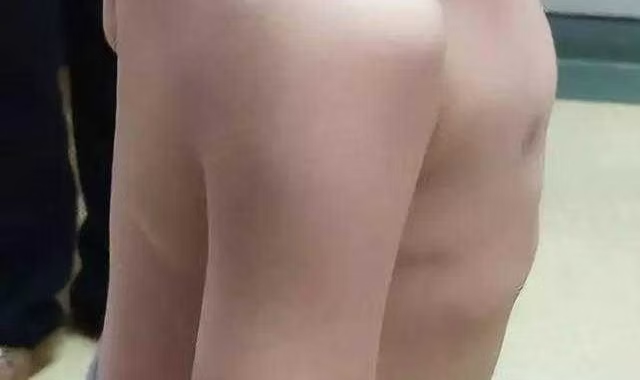
When a patient is told they have straight back syndrome, the diagnosis often sounds less intimidating than other spinal or thoracic conditions. However, whether the condition is “serious” depends largely on the extent to which the lack of natural spinal curvature affects the internal organs. For some patients, this seemingly simple problem can actually pose a serious threat to the heart and respiratory system.
The Internal “Squeeze” of Straight Back Syndrome
In a healthy individual, the normal outward curvature of the upper thoracic spine creates adequate space between the anterior chest wall and the thoracic vertebrae, allowing mediastinal structures to function without restriction. In straight back syndrome, this normal curvature is reduced or absent, leading to an abnormal narrowing of the space between the thoracic vertebrae and the anterior chest wall. This condition typically manifests with the following:
- Cardiac compression: The heart may be physically compressed, potentially disturbing cardiac rhythm and function. This can manifest as symptoms such as palpitations or arrhythmias.
- Respiratory effects: Compression of the trachea or adjacent airway structures may occur, leading to respiratory symptoms. In severe cases, this can result in significant airway obstruction.
- Association with other conditions: Straight back syndrome is frequently accompanied by additional chest wall deformities, such as pectus excavatum or a flattened chest, which can further worsen mediastinal compression.
Innovative Approaches in Flatback Syndrome Treatment
For most patients with straight back syndrome, symptomatic conservative treatment is sufficient, and surgery is generally not required. Surgical intervention may be considered when symptoms are severe and unresponsive to conservative treatment, when airway compression significantly affects breathing, or when an accompanying chest wall deformity further reduces mediastinal space.
At the Institute for Chest Wall Surgery (ICWS), flatback syndrome treatment has been explored due to the limitations of current spinal surgery. An innovative approach has been proposed: anterior chest wall reconstruction using specialized materials (digital materials or MatrixRIB) to increase mediastinal space. This method is highly invasive and suitable only for patients with severe symptoms. For patients who also have pectus excavatum or a flat chest, traditional chest wall corrective surgery can effectively increase thoracic cavity volume and relieve mediastinal compression.
Taking Action for Your Thoracic Health
If you experience unexplained palpitations or respiratory fatigue accompanied by straight back syndrome, you can consult The Institute of Chest Wall Surgery (ICWS). The institute utilizes innovative surgical techniques to help patients overcome the effects of the condition, leading to better long-term health and physical comfort.

