
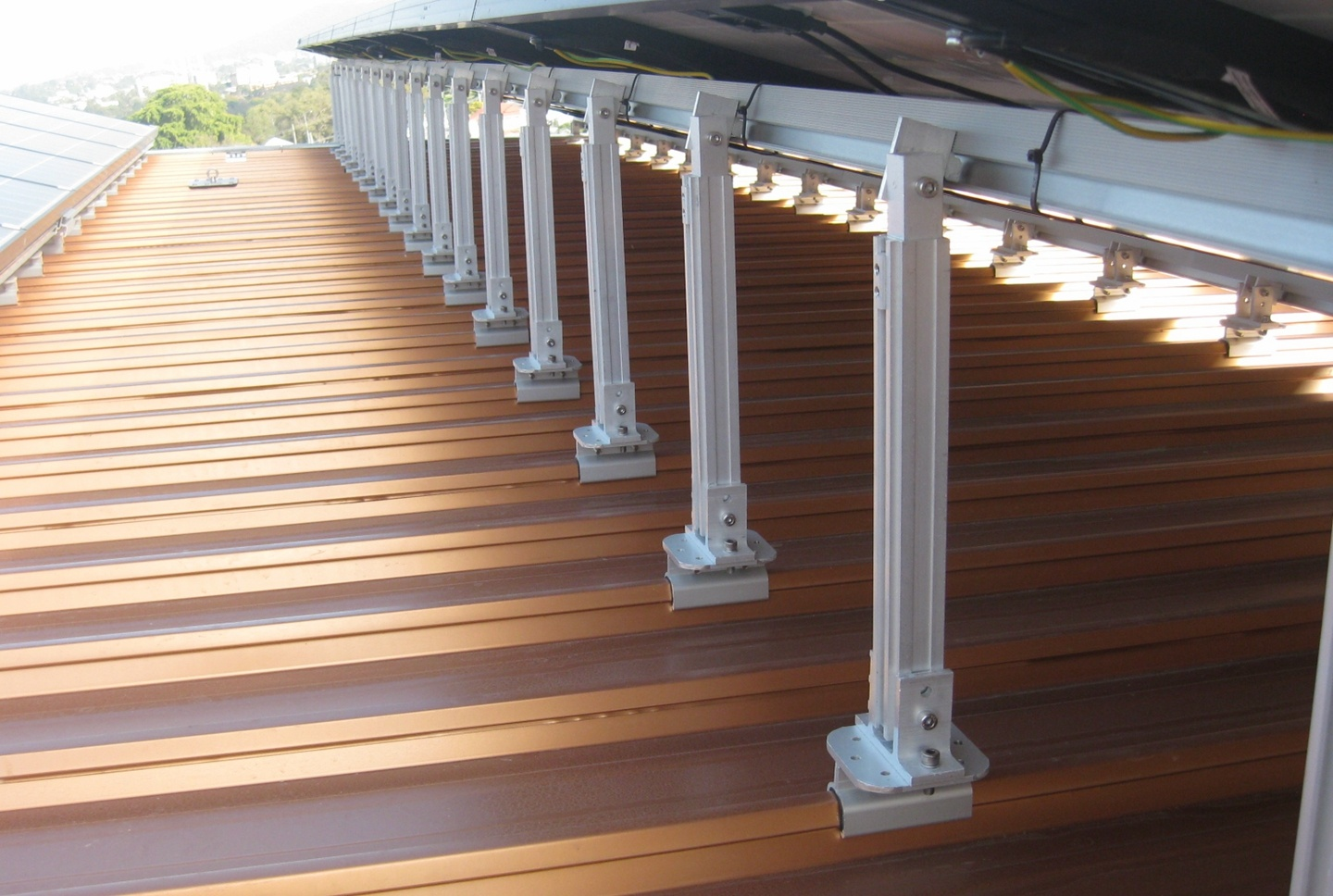
The efficiency of a commercial solar panel system is closely linked to how well its brackets manage structural load, ventilation, and long-term stability. Commercial projects require mounting solutions that support large arrays without compromising the building envelope. High-quality brackets reduce thermal buildup, maintain module alignment, and ensure reliable energy delivery over the system’s operational life. When evaluating efficiency, engineers look beyond electrical output and consider how mounting hardware affects cooling, mechanical durability, and installation feasibility. This is particularly important for businesses operating in environments with strong wind zones or temperature fluctuations, where bracket design can directly influence long-term system consistency.
Structural Design and its Impact on Performance
In commercial environments, the structural characteristics of mounting hardware play a significant role in optimizing the performance of commercial solar mounting systems. Systems with elevated rail designs improve ventilation, allowing modules to maintain lower operating temperatures and operate closer to their rated efficiency. Additionally, mounting hardware that adapts to concealed-fix roof claddings or irregular surfaces helps installers maintain secure module placement while limiting long-term stress on roof structures. By choosing bracket systems designed for stability and compatibility, commercial operators can minimize deformation, reduce maintenance needs, and maintain predictable performance across varied installation scenarios.
How Non-Penetrative Designs Improve Real-World Efficiency
Non-penetrative solutions further enhance efficiency by eliminating waterproofing risks and reducing installation disruptions. Clenergy addresses this through their SolarRoof™ non-penetrative design, which is engineered for concealed-fix claddings such as Klip-lok and Longline. Their adjustable L-feet elevate the rails for better airflow, supporting long-term power consistency while reducing heat accumulation. The zero-penetration clip-on clamps maintain roof integrity, and optional tilt legs offer additional flexibility for achieving favorable module angles. For commercial users prioritizing predictable performance and reduced structural impact, these features contribute to a balanced and reliable installation approach.
Conclusion: Enhancing Efficiency Through Purpose-Built Brackets
In summary, commercial bracket efficiency depends on ventilation, structural integrity, and the adaptability of the mounting design. When these factors are integrated effectively, a commercial solar panel system can maintain stable output across diverse operating conditions. By incorporating compliant, non-penetrative features and a reliable L-feet structure, Clenergy provides commercial solar mounting systems that support power consistency while protecting the underlying roof. Their SolarRoof™ system offers a practical option for commercial operators seeking durable, well-designed mounting hardware that aligns with professional installation requirements.

