
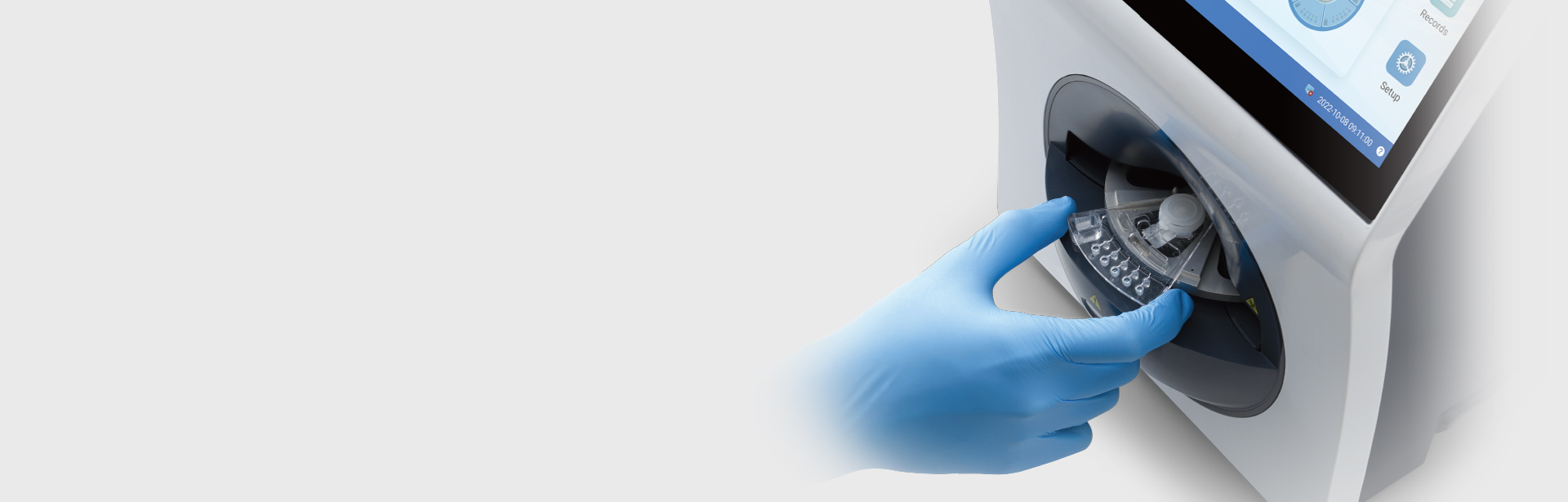
In modern clinical labs, molecular diagnostic testing plays an essential role in identifying pathogens and guiding clinical decisions. For biomedical technicians, ensuring that each diagnostic machine delivers reliable results begins with precise calibration. A well-calibrated diagnostic analyzer helps maintain accuracy across tests and supports quality control in laboratory workflows. One standout platform that benefits from proper calibration practices is the EDAN CL30 system, an advanced tool used for efficient molecular analysis in a variety of settings.
Understanding Diagnostic Calibration Fundamentals
Calibration refers to aligning a diagnostic analyzer with known standards so that test outputs remain consistent and true. Calibration checks help uncover measurement drift over time and mitigate deviations before they affect results. For assays used in molecular diagnostic testing, where outcomes can guide infection control or treatment priorities, calibration is not optional; it is a core maintenance task. Instruments should be calibrated according to manufacturer guidance and documented in lab quality systems to ensure traceability and accountability.
Practical Steps for Calibration Checks
Begin by reviewing the analyzer’s manufacturer manual, noting recommended calibration frequency and required control materials. Some analyzers have built-in diagnostics or barcode-assisted calibration workflows that streamline the process. When working with the EDAN CL30, use quality control cartridges and run control samples with known concentrations to verify proper performance. Documentation of each calibration event helps technical teams track trends and identify when further servicing is needed. Engaging in routine checks reinforces confidence in test output quality and supports compliance with laboratory standards.
Why Calibration Matters in Molecular Workflows
In molecular diagnostic testing, even subtle shifts in instrument response can influence result interpretation. Calibration supports reproducibility, enabling technicians to distinguish between true biological changes and instrument variability. For systems like the EDAN CL30 that process multiple channels and deliver rapid outcomes, consistent calibration means labs can trust the data they report, whether for respiratory virus panels or other molecular targets.
Conclusion
Calibration of diagnostic analyzers is a cornerstone of reliable lab operations. By following structured procedures, technicians ensure the stability and accuracy of molecular diagnostic testing platforms. Regular calibration not only upholds quality but also enhances confidence in instruments like the EDAN CL30, helping laboratories deliver dependable results to clinicians and patients alike.

